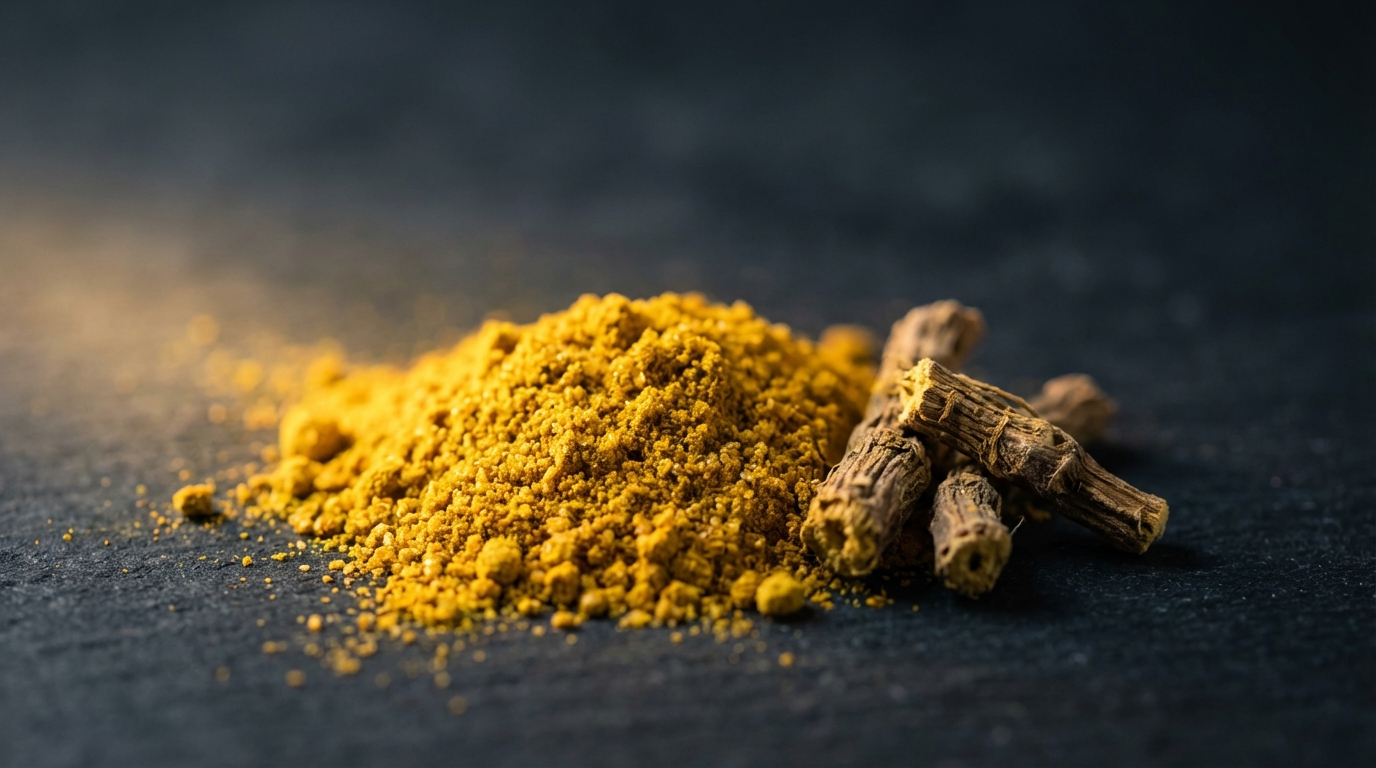
Berberine isn't new. It's been used in traditional Chinese and Ayurvedic medicine for centuries. But in the last decade, it has become one of the most actively researched natural compounds in modern metabolic science. And the findings have caught the attention of researchers, clinicians, and supplement formulators alike.
We reviewed 14 published studies and meta-analyses to understand what berberine actually does, how strong the evidence is, and where the limitations lie.
What Is Berberine?
Berberine is a bioactive alkaloid found in several plants, including Berberis vulgaris (barberry), goldenseal, and Oregon grape. It has a distinctive bright yellow color and has been used in traditional medicine systems for digestive and inflammatory conditions for over 2,500 years.
In modern research, berberine has been studied primarily for its effects on blood sugar regulation, lipid metabolism, and inflammatory markers. It is available as a dietary supplement in capsule and, more recently, gummy formats.
How Berberine Works: The AMPK Connection
The primary mechanism researchers have identified involves AMPK (adenosine monophosphate-activated protein kinase), an enzyme that plays a central role in cellular energy regulation. AMPK is sometimes called the body's "metabolic master switch" because it influences how cells process glucose and fatty acids.
When berberine activates AMPK, several downstream effects have been observed in laboratory and clinical settings:
- Improved glucose uptake in cells
- Reduced glucose production in the liver
- Enhanced insulin sensitivity
- Modulation of lipid metabolism
This mechanism is well-established in cell and animal studies. The question is whether these effects translate meaningfully to human outcomes at supplemental doses.
What the Research Found
Across the 14 studies and meta-analyses we reviewed, several consistent findings emerged:
Key Findings
Blood sugar: Multiple randomized controlled trials have found that berberine supplementation (typically 900-1500mg/day) may support healthy blood sugar levels in subjects with metabolic concerns. Some studies reported effects comparable to first-line pharmaceutical interventions.
Lipid markers: Several studies observed improvements in total cholesterol, LDL, and triglyceride levels. A 2020 meta-analysis pooling data from multiple trials found statistically significant effects on lipid profiles.
Body composition: The evidence for direct weight reduction is more modest. A few trials reported small but measurable changes in body weight and BMI, primarily in subjects with metabolic syndrome. The effect appears to be secondary to metabolic improvements rather than a direct weight loss mechanism.
Dosing and Format Considerations
Most positive clinical studies used berberine hydrochloride at doses between 900mg and 1500mg per day, typically divided into two or three doses taken with meals. This dosing range has the most clinical support.
Bioavailability is a known challenge with berberine. It has relatively poor absorption in the gut, which is why some newer formulations pair it with absorption enhancers like piperine (black pepper extract) or use specialized delivery formats.
Gummy supplements typically contain lower doses per serving than capsules, which is worth considering when evaluating formulated products.
Important Limitations
The research on berberine is promising, but context matters:
- Study populations: Most positive trials were conducted in subjects with existing metabolic concerns (elevated blood sugar, metabolic syndrome). Results may not generalize to healthy individuals.
- Study duration: Most trials ran 8 to 16 weeks. Long-term data beyond 6 months is limited.
- Sample sizes: Many individual studies had relatively small sample sizes (50 to 200 participants). The meta-analyses strengthen the overall picture, but larger trials would increase confidence.
- Ingredient vs. product: Studies tested isolated berberine, not specific branded supplements. Results from clinical berberine research do not automatically validate any particular product.
- Drug interactions: Berberine can interact with medications for blood sugar and blood pressure management. Anyone on prescription medication should consult their healthcare provider before supplementing.
Our Take
Berberine is one of the few natural compounds where the clinical evidence genuinely warrants attention. It's not a miracle ingredient, and the marketing around it often overpromises. But the published research, particularly the meta-analyses pooling multiple trials, shows consistent, modest positive effects on metabolic markers.
If you're interested in natural metabolic support, berberine is arguably the most evidence-backed option available without a prescription. The key is realistic expectations: think "meaningful support" rather than "dramatic transformation."
We recently reviewed a supplement that uses berberine as its primary ingredient, combined with green tea extract, turmeric, and collagen peptides. Read our full JellyLean review here.
Frequently Asked Questions
At standard supplemental doses (500-1500mg/day), berberine has a generally favorable safety profile in published research. The most commonly reported side effects are mild gastrointestinal symptoms (bloating, constipation, or nausea), especially when taken on an empty stomach. However, berberine can interact with certain medications, so consult your healthcare provider if you're on prescription drugs.
Most clinical studies showing positive effects on metabolic markers ran for 8 to 12 weeks of consistent daily use. Some studies observed initial changes in blood sugar markers within 4 weeks, but the full range of effects typically develops over 2 to 3 months.
No. Berberine is a dietary supplement, not a medication. While some studies have compared its effects to pharmaceutical interventions, it has not been through the FDA approval process for any medical condition. Never discontinue prescribed medication in favor of a supplement without consulting your doctor.